SUNPlease confirm
Sunday Church
Sunday worship and fellowship at Deronda Hall. Please confirm the service time before travelling.
Uplifting the community with love & support
A welcoming Tulse Hill space for practical support, creativity, food, learning and the simple joy of feeling less alone.
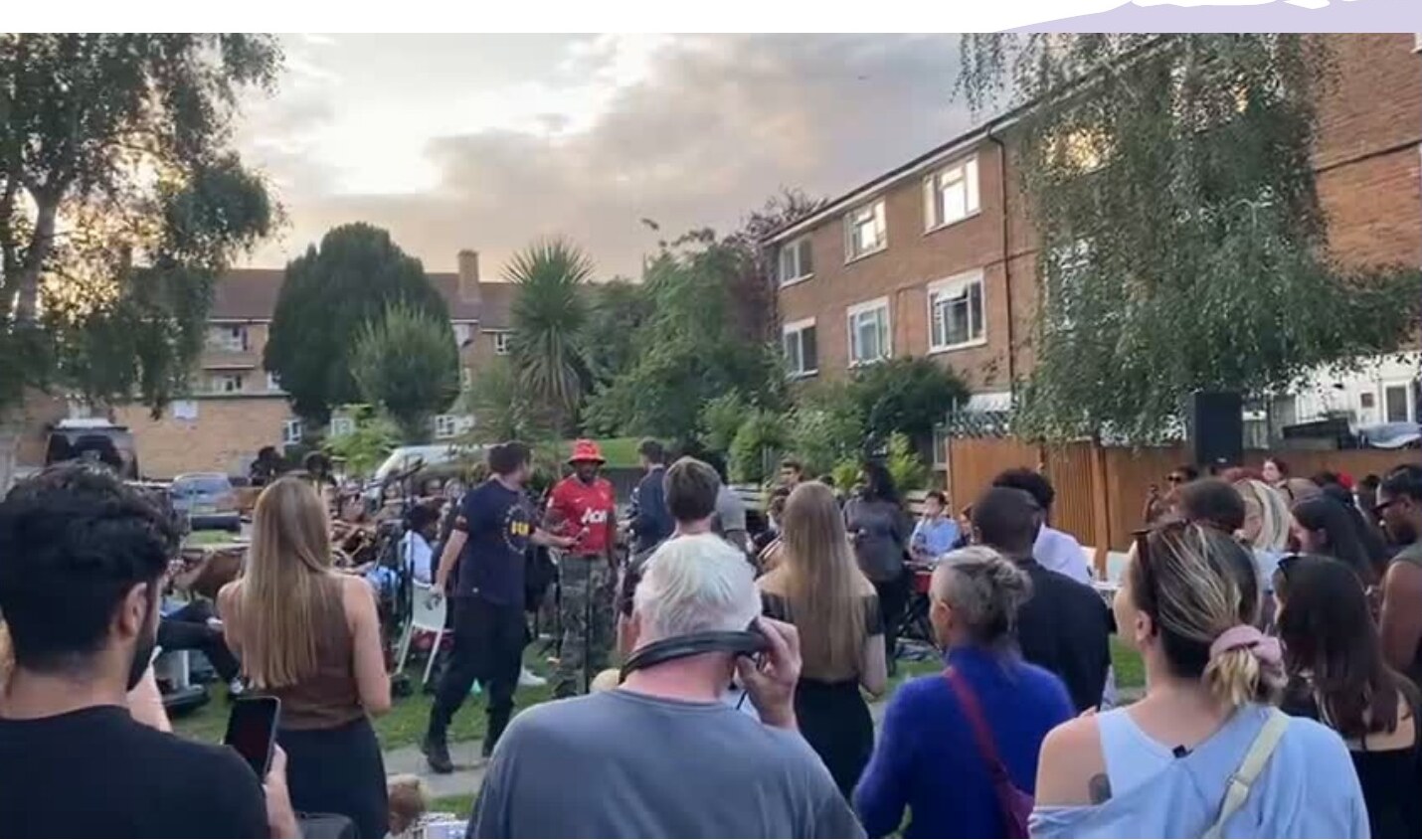
COME AS YOU ARE
Our programme changes with the community. Please confirm details before travelling.
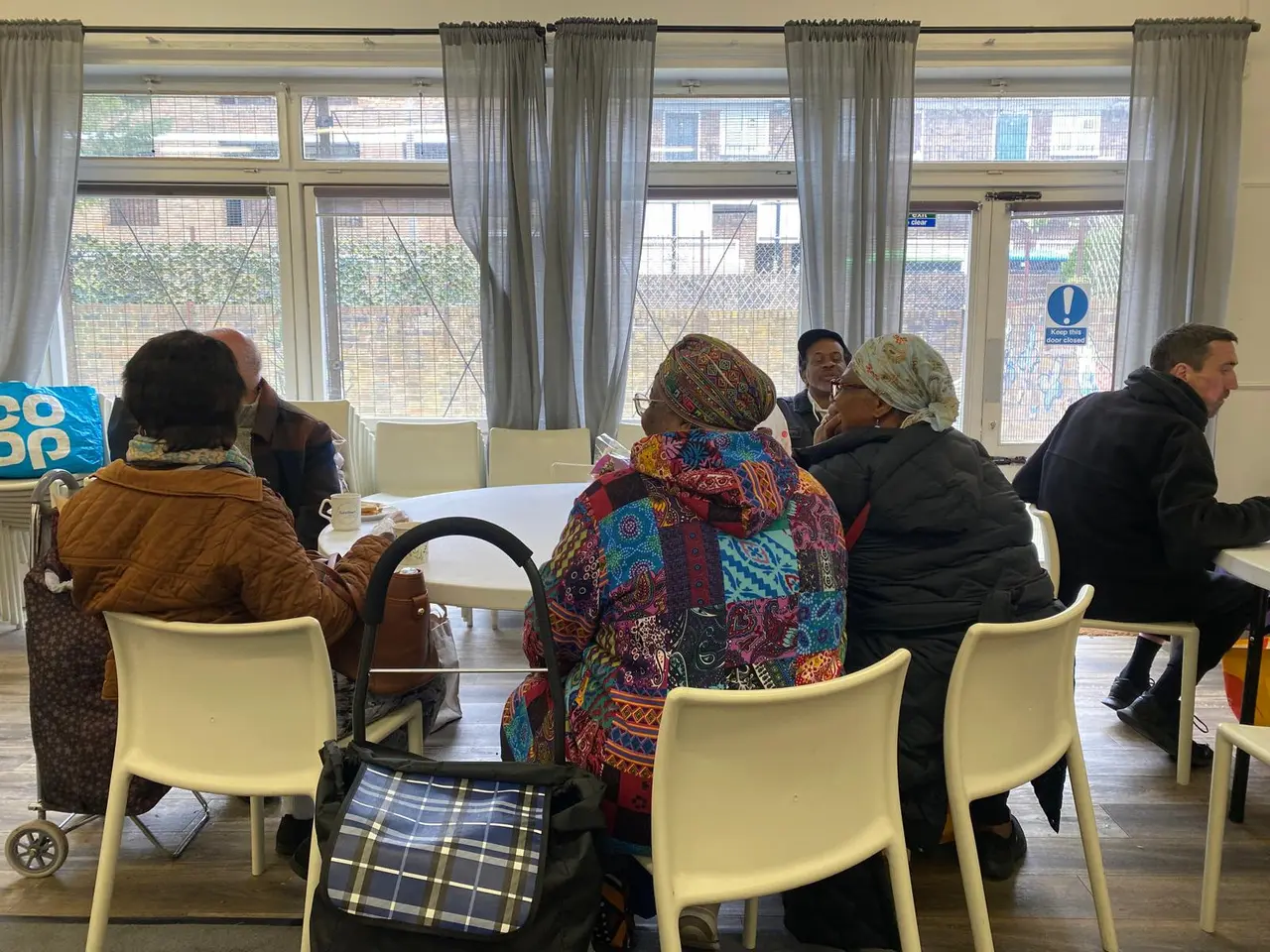
Sunday worship and fellowship at Deronda Hall. Please confirm the service time before travelling.
A welcoming creative session with materials, conversation and new projects.
Sharing the joy of books and reading with children and families.
Free food, a hot drink, a fried egg and a friendly place to sit and talk.

OCCUPATIONAL THERAPY
Occupational therapy helps people of all ages take part in the activities that matter to them. Occupational therapists work in hospitals and community services, and also in schools, housing, charities, workplaces and independent practice.
At Lavender Hope, occupational therapy knowledge informs thoughtful planning, inclusion and practical community work. It does not mean that every activity is a treatment session or that Lavender Hope provides a crisis service.
COMMUNITY EXPERIENCE
Since qualifying as an Occupational Therapist in 2014, I have used my professional skills not only within formal health and education services, but also to provide practical support to children, young people, adults and families within our local community.
Supporting children and families and making referrals to Child and Adolescent Mental Health Services (CAMHS) where further specialist support was required.
Supporting asylum seeking parents and families with school admissions, including liaison with Lambeth Admissions and direct communication with schools.
Attending schools alongside families to help them communicate their needs and access appropriate support.
Supporting residents during face to face Social Services meetings and helping families navigate services that can sometimes feel difficult or overwhelming.
Providing practical advocacy and support with housing, boilers, household bills and other issues affecting everyday life.
Supporting families experiencing hardship to access essential clothing and practical resources.
Making GAI referrals and signposting families to appropriate services and organisations.
Working with Community TechAid to distribute laptops and digital equipment to local residents, helping to reduce digital exclusion. Lavender Hope hopes to restart this work.
DEVELOPING THIS WORK AT LAVENDER HOPE
My ambition is to use Lavender Hope not simply as a community hall, but as a place where my Occupational Therapy knowledge, community experience and ongoing Master’s studies in Sensory Integration can directly benefit local families.
I would particularly like to develop support for children, young people and adults with SEND and neurodivergent needs, while ensuring that support remains available across different ages and stages of life.
Independent living programmes, particularly for young people aged approximately 16 to 24, covering cooking, travel, money management, organisation, self care, community access and preparation for greater independence.
Neurodivergent peer and activity groups where young people and adults can build confidence, friendships, life skills and meaningful routines in an environment that understands different needs.
Support for parents and carers to understand how sensory needs may affect sleep, eating, dressing, concentration, emotional regulation and participation in everyday activities.
A sensory space where children and families could safely explore lighting, sound, movement, textures, touch, smell and taste.
Practical sessions guided by Occupational Therapy, exploring sensory equipment, environmental adaptations and strategies that families may be able to use at home or within school.
Activities supporting children and young people with eating, play, regulation, movement, coordination and participation in everyday life.
Collaboration with schools, health professionals, Social Care, CAMHS, local authority teams, voluntary organisations and other community partners, with referrals and signposting where specialist intervention is required.
Support for older adults and other residents who may benefit from Occupational Therapy approaches to independence, wellbeing, meaningful activity and participation in their community.
OCCUPATIONAL THERAPY IN EVERYDAY LIFE
An occupational therapist considers the person, the activity and the environment, then works with people to identify barriers and practical ways forward.
An occupation can be anything a person needs, wants or likes to do, including dressing, preparing food, learning, working, socialising and hobbies.
Occupational therapists help make meaningful activities safer, easier or more achievable by considering the person, task and surroundings together.
Occupational therapists work across health, social care, education, housing, charities, workplaces and independent practice.
Occupational therapists are regulated by the Health and Care Professions Council and are responsible for practising safely within their skills and experience.
SHORT VIDEO EXPLAINERS
These external videos open on YouTube in a new window.
WHY LAVENDER HOPE EXISTS
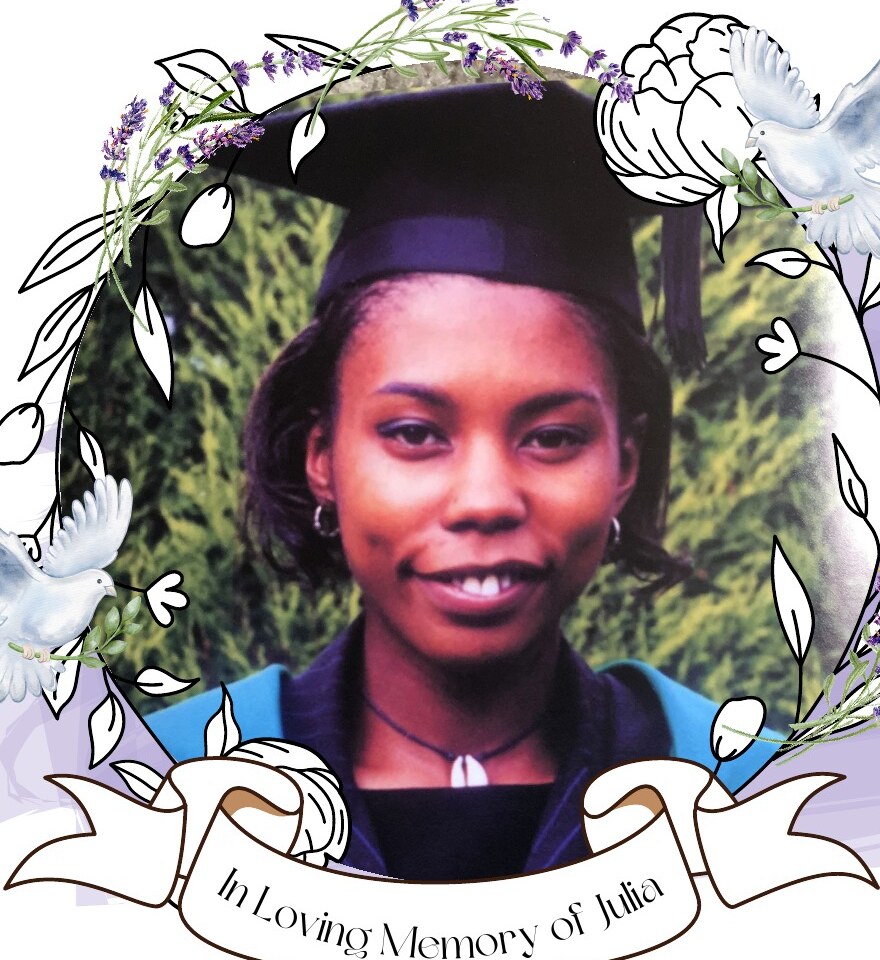
Lavender Hope was created in memory of Julia, a deeply loved daughter, mum, sister and aunty.
Her experiences made us think deeply about what can happen when someone is struggling and does not feel heard, understood or able to find the right support at the right time.
From that experience grew a hope: to build something that could bring people together, strengthen community connections and, in time, develop earlier support that may help people before they reach crisis.
“A safe, welcoming community where people can feel seen, supported and less alone.”
THE PRESENT
Lavender Hope has grown in many ways since it began. Through Deronda Hall, much of our work so far has focused on responding to the practical and social needs of our local community.
THE FUTURE
We are proud of this work and the difference it is making.
At the same time, we want to be clear about something that is very important to our story.
The specific support that originally inspired Lavender Hope is for people experiencing circumstances similar to those Julia faced. We also hope to develop earlier support that could help prevent people reaching crisis. We have not yet been able to establish this work.
That does not mean the original vision has been forgotten. It remains an important part of where we hope Lavender Hope will go next.
We want to develop that work responsibly, with the right partnerships, skills, safeguarding, resources and community involvement around it.
Julia inspired where Lavender Hope began.
Our community has shaped what it has become.
And our story is still growing.
HIRE DERONDA HALL
Workshops, children’s parties, celebrations, meetings, classes and community programmes, around five minutes from Tulse Hill station.
£250 refundable deposit. Please confirm current prices before booking.
SIMPLE BOOKING
Private bookings are shown only as unavailable.
FRIDAY FOOD BANK & COMMUNITY SPACE
Come for free food, a fried egg, tea or coffee, and stay for a friendly chat. There are no restrictions and no judgement.
Volunteers help collect surplus food, sort deliveries, welcome visitors and take food to some people on the Deronda Estate who cannot reach the hall.

COMMUNITY TECHAID REFERRAL SUPPORT
Lavender Hope can arrange a short appointment to discuss your circumstances and, where the current criteria appear to be met, help make an organisation referral to Community TechAid.
Refurbished laptops, tablets and smartphones may be available, depending on a person’s needs and current stock. A device is not guaranteed.
Current Lambeth guidance says applicants must be aged 18 or over, live in Lambeth and be in a low income household. Community TechAid also supports eligible Southwark residents through referring organisations.
Residents cannot self refer. An approved organisation submits the request. Community TechAid normally allows one device per person and says fulfilment commonly takes four to six weeks after referral.
There is no fixed public checklist of documents. Lavender Hope may ask for enough information to check eligibility and prepare the referral, and will explain what is needed before anything is submitted. Please do not email sensitive evidence before your appointment.
OUR IMPACT AT DERONDA HALL
Three starting points from a fuller record of building improvements, community activity and partnership work since 2019.
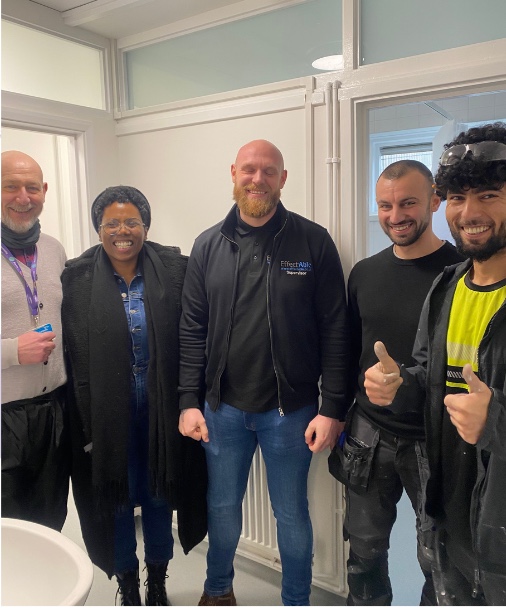
ACCESSIBLE WET ROOMS
See how dated toilet facilities became accessible wet rooms through partnership and careful planning.
Explore this story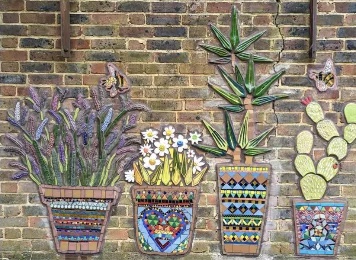
GARDEN AND OUTDOOR SPACE
Follow the work that brought volunteers, partners and residents together around the garden mosaic.
Explore this story
FOOD AND COMMUNITY
Food, refreshments and time to talk have made the hall a regular point of practical community support.
Explore this storySAFE, ACCOUNTABLE COMMUNITY SUPPORT
Lavender Hope records outcomes, protects confidential information and explains its work in a way that residents, partners and funders can understand.
We record visits to the Food Bank, collections, deliveries and food distributed, alongside activity attendance, repeat participation, referrals, appointments, hall use, partnerships and feedback. Public reports use totals and anonymised outcomes, and incomplete sessions are recorded as incomplete rather than estimated.
Students from local schools have completed placements of about two weeks and gained practical experience of community and voluntary sector work. One student progressed into ongoing volunteering, received a reference and gained support with her move into employment.
Relevant roles have Enhanced DBS checks. Lavender Hope records concerns and incidents, uses appropriate escalation routes, completes food and premises safety checks, and keeps personal information confidential.
Records include current policies, named responsibilities, insurance, professional registration, training and certificate evidence, risk assessments, review dates, grant reports, privacy and consent records, complaints and improvements.
Confidential certificates, personal data and safeguarding records are not published online. Residents, partners and funders can book an in person or Zoom conversation to discuss suitable evidence, community support, an occupational therapy enquiry or a hall viewing.
HELPFUL INFORMATION
A few helpful answers about Lavender Hope CIC, Deronda Hall and how everything works.
Lavender Hope is a Community Interest Company (CIC), which is a social enterprise created to benefit the community.
Running a community building comes with lots of everyday costs, and grants don’t always cover them all.
Income from hall hire helps us to:
So when someone hires the hall, they are also helping us keep a valuable community space going.
Yes, we have successfully received grant funding for particular projects and improvements, but grants are usually provided for a specific purpose.
They don’t necessarily cover all of the everyday costs involved in running Deronda Hall.
That’s why we use a mixture of:
Together, these help us keep the hall running and continue our community work.
We want Deronda Hall to be accessible while also making sure the building is managed safely and fairly.
We’re improving the booking and access system so that this becomes even easier.
Deronda Hall is used by different community groups, hirers, organisations and residents throughout the week.
Checking first means we can:
We’re working towards a shared calendar and secure system for timed access to make this much simpler.
Of course. We’re happy to talk about our work and how Lavender Hope operates.
We keep records relating to areas such as:
Some information cannot be published publicly because it contains personal, confidential or safeguarding information.
Where appropriate, we can discuss information during a booked in person or Zoom conversation.
Absolutely. Lavender Hope is here to serve and work alongside the community.
You can:
Questions and ideas are always welcome.
FUTURE PLANS & HAVE YOUR SAY
These ideas are proposals for discussion, not decisions already made. Lavender Hope wants to collaborate with residents, hirers, local councillors, community organisations and other local stakeholders before deciding what should happen next. The polls, community survey and feedback links below are there so people can share priorities, concerns and practical suggestions.
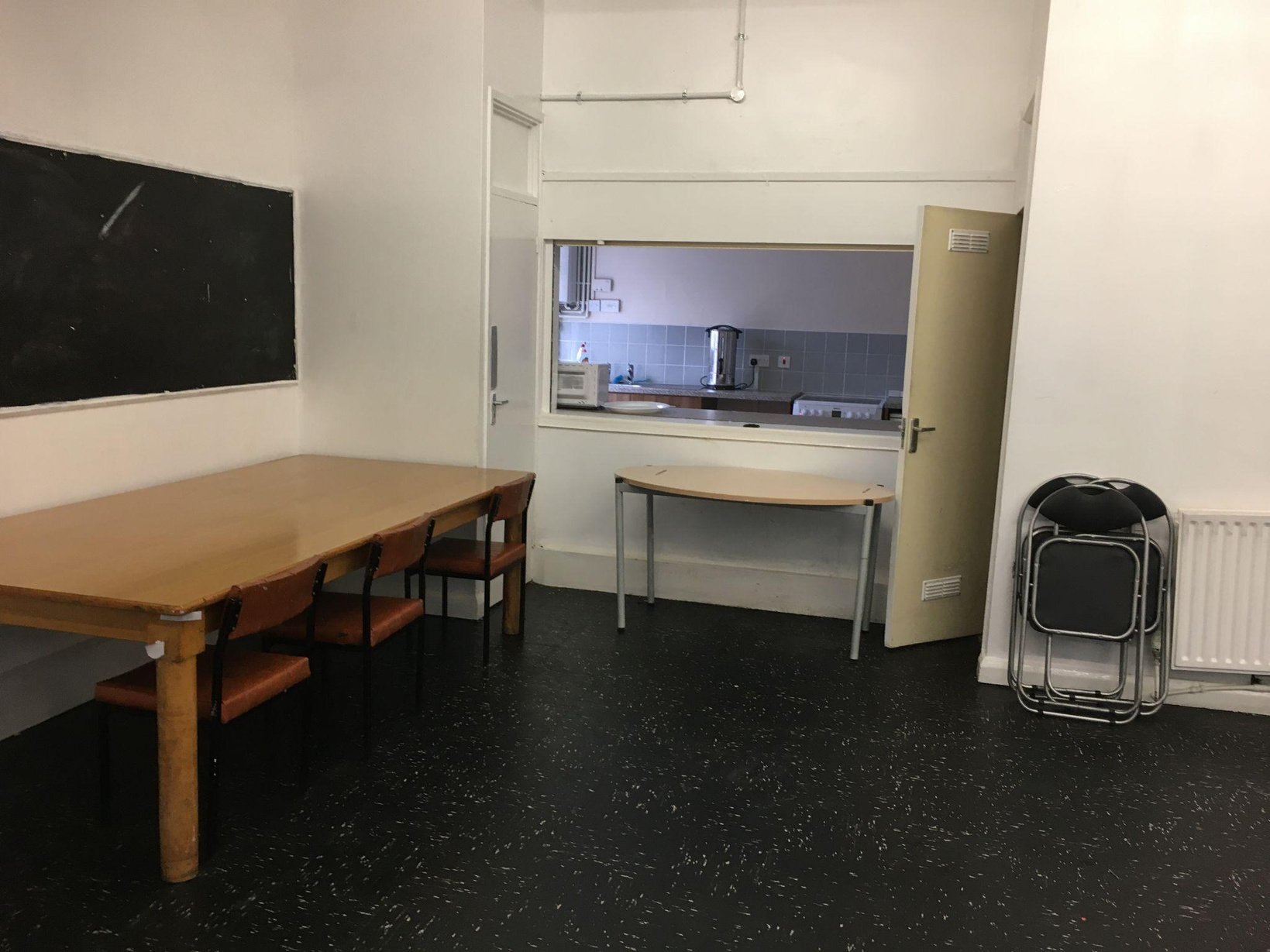 Proposal
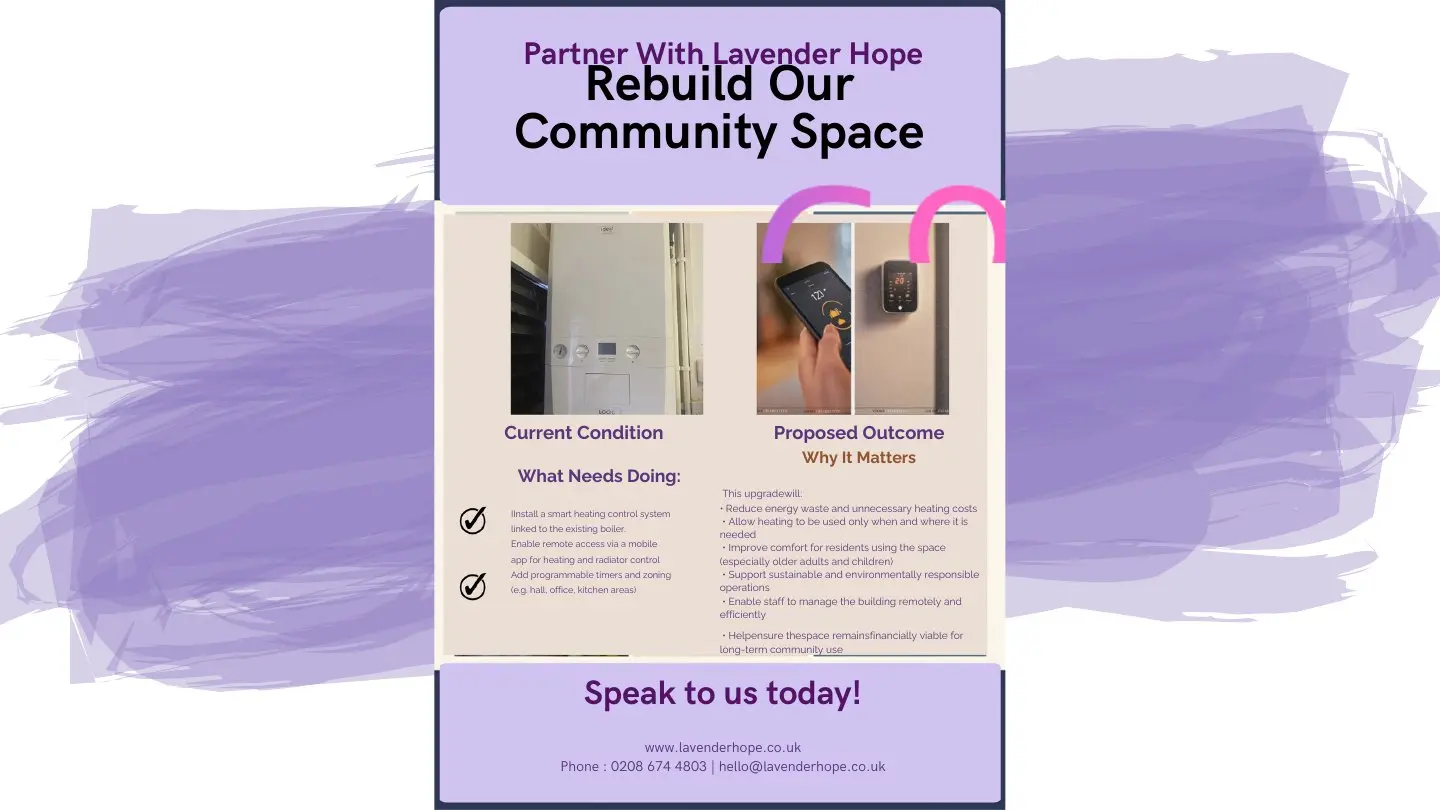 Proposal
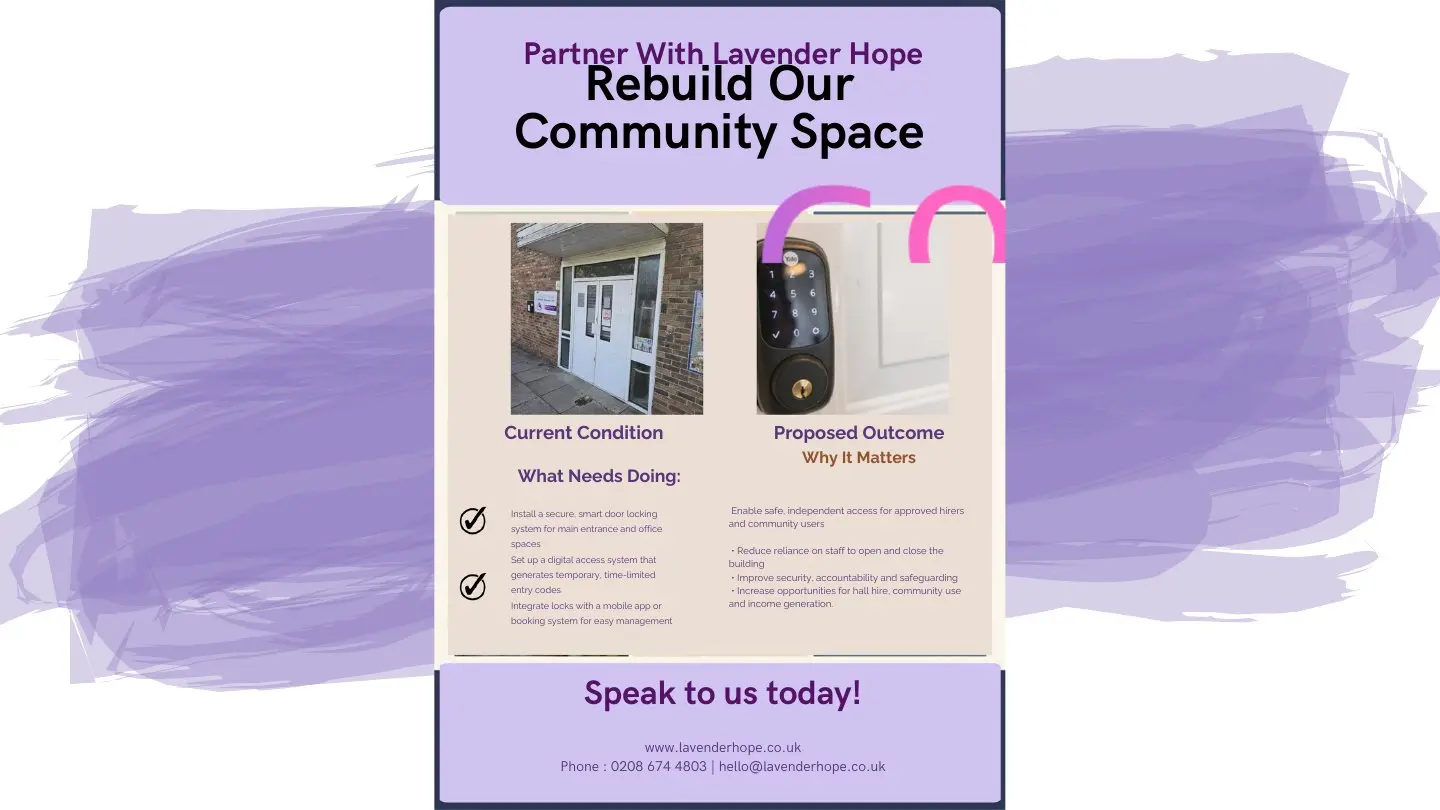 Proposal
 Proposal
VISIT US